.png)
HOW TO DEVELOP SELF-DISCIPLINE

Updated: Jun 17
Written by Bestressfree publication team | July 8, 2026
Discipline is the ability to control one's behavior, actions, and impulses to achieve specific goals, adhere to rules, maintain order, and uphold values and standards. It involves self-regulation, obedience to authority or rules, and a commitment to consistent and responsible actions.

Discipline can manifest in various aspects of life. It involves an individual's ability to control their behavior, thoughts, and emotions to achieve personal goals or adhere to moral principles. This includes the capacity to resist temptations, delay gratification, and stay focused on long-term objectives.
TABLE OF CONTENTS
Why does discipline matter?
Discipline is a bridge between where you are and where you want to be in life. It's what allows you to take action and make those dreams a reality. Discipline is crucial for various aspects of life, providing a foundation for personal and professional success.
Discipline helps you stay on track, even when you face challenges or lack motivation. You develop the habits and routines needed to make consistent progress and strengthen your willpower. You learn to resist temptations and manage your emotions, which is important in all aspects of life. When you're disciplined, you feel more in control of your time and your life. Such discipline can lead to reduced stress and anxiety.
Why you are not disciplined
Developing discipline is very hard and challenging but a rewarding process that requires consistent effort and self-control. The fact that we avoid challenging and unpleasant tasks is a contributing factor to our lack of discipline. We like to stick to what is familiar and simple. It's important to stay focused on your goals and maintain a positive mindset, even in the face of obstacles or setbacks. With dedication and perseverance, anyone can cultivate the habits and mindset needed to achieve success.
So, rather than confronting our difficult, uncomfortable projects or money, we turn to distractions, movies, and games. We are wasting our lives by avoiding discomfort. Boost your life by harnessing the strength of self-control! Achieving your goals and living your life to the fullest is possible with self-discipline. Essential to individual and community development are the values it represents: reliability, accountability, and conformity to established standards. Discipline makes order, goal attainment, and the preservation of ethical ideals possible.
Just tell yourself that you've had enough of running. Gradually, you will push yourself into discomfort and eventually become adept at it. You also possess this extraordinary ability. Even if it's not always enjoyable, you're OK when other people run.
What are the rewards of discipline if I really commit myself?
What follows are the rewards of discipline if you really commit yourself to self-discipline, the one and only superpower that can help you achieve your goals. Mastering this ability will revolutionize your life by giving you the power to make better decisions, reach your objectives, and be more organized and productive. Rewarding aspects about discipline are the following:
Increased willpower and the ability to get things done.
Increased productivity, which improves your ability to get things done.
You become a beast and conquer your goals, and that feels really good in the long run!
You become the master of your own universe and get to dictate how you set your goals and how you are going to achieve them. Becoming a master of your own world rocks because you feel in control in certain aspects of your life, and that is the true feeling of freedom.
As you gradually get used to being disciplined, your confidence level increases, and you become a pro in your own right and respect. In his book turning pro by Steven Pressfield, becoming pro means
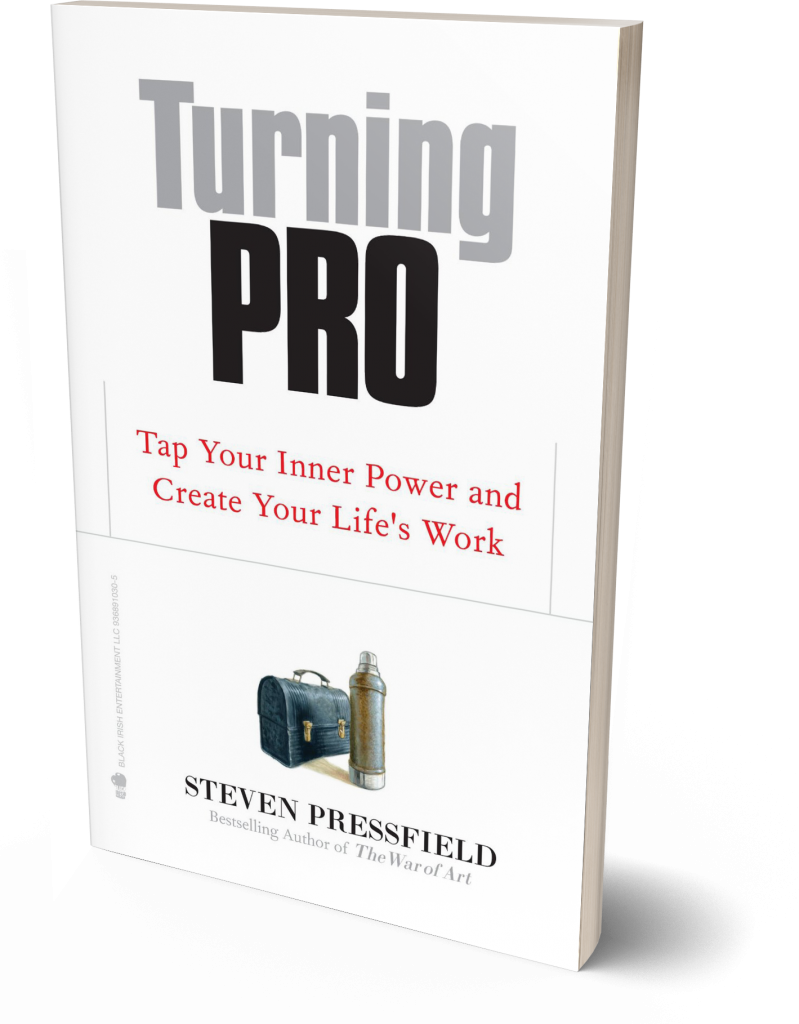
“When we turn pro, everything becomes simple. Our aim centers on the ordering of our days in such a way that we overcome the fears that have paralyzed us in the past. We now structure our hours not to flee from fear, but to confront it and overcome it. We plan our activities to accomplish an aim. And we bring our will to bear so that we stick to this resolution." Steven Pressfield
Discipline can be self-imposed or enforced by external authorities, depending on the context and the goals involved. Developing self-discipline is a valuable skill that can help you achieve your goals, make positive choices, and lead a more organized and productive life. Here are some strategies to help you cultivate self-discipline:
How do I stay disciplined for a long period of time?
Remember that developing self-discipline is a gradual process, and it's normal to face setbacks along the way. Be patient with yourself and keep refining your strategies to strengthen your self-discipline over time. With practice and determination, you can improve your ability to make positive choices and achieve your objectives.
Staying disciplined for long periods of time can be challenging, but there are several strategies that can help.
One effective approach is to break down your goals into smaller, more manageable tasks and then complete them one at a time.
It's also important to stay motivated by reminding yourself of the benefits of staying disciplined and celebrating your progress along the way.
Additionally, creating a routine and sticking to it can help you establish effective habits and maintain your discipline over time.
Form Rewarding Routines: Set up habits that will help you achieve your objectives. Having routines makes self-discipline easier to maintain when willpower isn't enough.
Planners, calendars, and apps can help you stay organized by allowing you to set goals, create a schedule, and monitor your progress. Keeping things orderly lessens anxiety and boosts productivity.
Make a timetable and stick to it; such an approach will help you manage your time wisely. If you want to be more productive and focused, avoid multitasking.
To sustain discipline over extended periods of time, it is necessary to employ a variety of tactics that help one to keep their motivation up, overcome challenges, and develop resilience. You can develop and maintain discipline for extended periods of time by adopting these tactics into your daily life. Ultimately, these tactics will lead to sustained success and personal development.
References:
The Concept of Discipline
Baumeister, R. F., & Tierney, J. (2011). Willpower: Rediscovering the Greatest Human Strength. Penguin Press.
This book discusses the psychology of self-control and how discipline is essential in achieving goals.
The Importance of Discipline
Duckworth, A. L. (2016). Grit: The Power of Passion and Perseverance. Scribner.
Duckworth explores how discipline and perseverance contribute to success in various fields.
Self-Regulation and Goal Achievement
Bandura, A. (1997). Self-efficacy: The exercise of control. W. H. Freeman.
This work highlights the role of self-regulation and self-efficacy in achieving personal goals.
Overcoming Procrastination
Steel, P. (2007). The Procrastination Equation: How to Stop Putting Things Off and Start Getting Things Done. HarperCollins.
This book covers the reasons behind procrastination and offers strategies to overcome it through discipline.
Discipline and Emotional Control
Goleman, D. (1995). Emotional Intelligence: Why It Can Matter More Than IQ. Bantam Books.
Goleman discusses how emotional intelligence and self-regulation are critical components of discipline.
Building Good Habits
Clear, J. (2018). Atomic Habits: An Easy & Proven Way to Build Good Habits & Break Bad Ones. Avery.
Clear provides practical strategies for creating and maintaining habits that support discipline.
The Role of Routines in Discipline
Duhigg, C. (2012). The Power of Habit: Why We Do What We Do in Life and Business. Random House.
This book examines how habits are formed and how they can be changed to enhance self-discipline.
Resilience and Discipline
Seligman, M. E. P. (2011). Flourish: A Visionary New Understanding of Happiness and Well-Being. Free Press.
Seligman discusses how resilience is linked to self-discipline and overall well-being.
Feedback and Growth
Stone, D., & Heen, S. (2014). Thanks for the Feedback: The Science and Art of Receiving Feedback Well. HarperCollins.
This book covers the importance of feedback in personal development and discipline.
Professional Growth and Discipline
Pressfield, S. (2012). Turning Pro: Tap Your Inner Power and Create Your Life's Work. Black Irish Books.
Pressfield discusses the transformation that comes with committing to discipline and professional development.

About: Bestressfree
Our website provides information to people who want to improve their health. Our recent projects focus on providing meaningful and holistic solutions to health issues.



